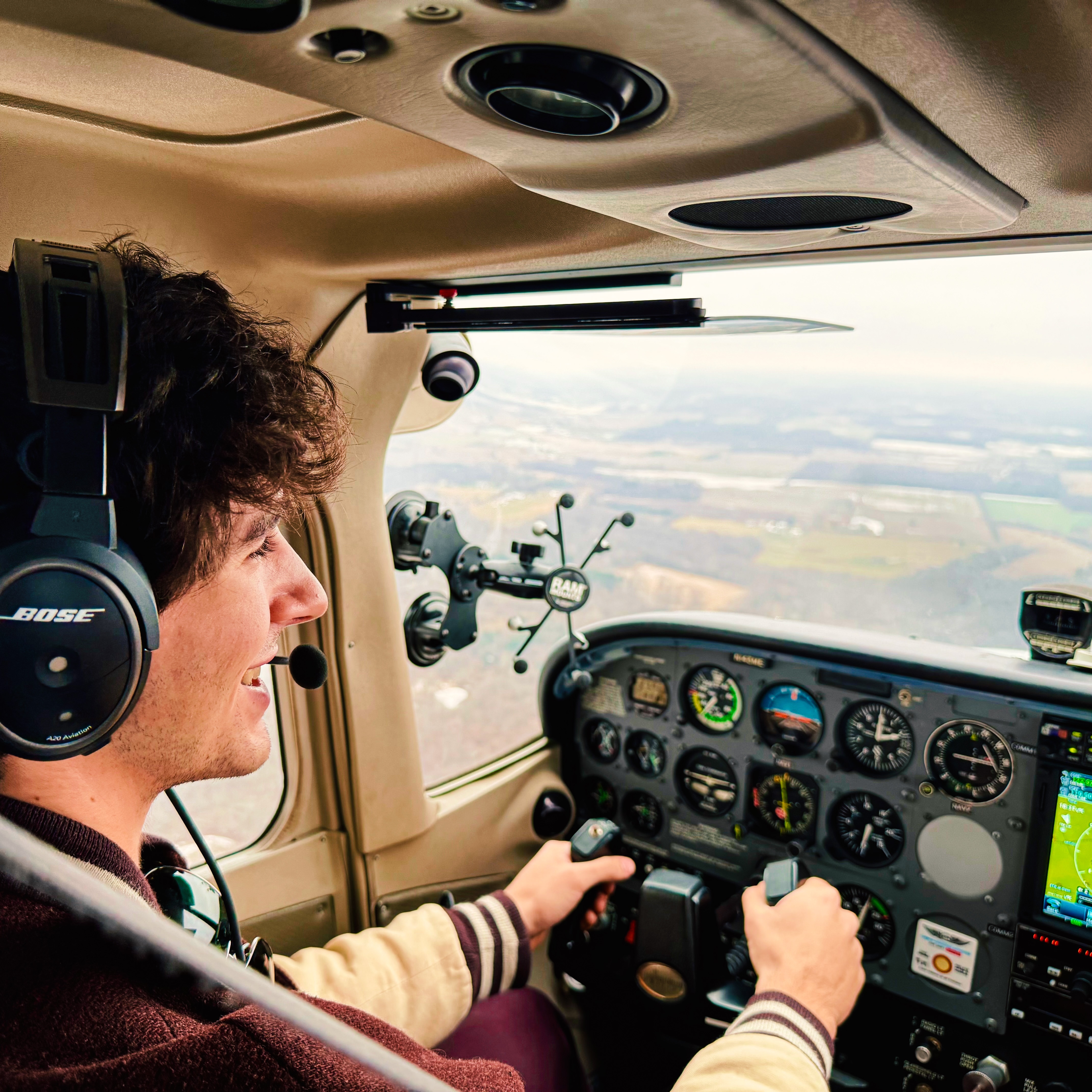
Flight training costs vary widely depending on where you train, what aircraft you fly, and whether you choose Part 61 or Part 141. Here is an honest breakdown of the certificates and ratings that follow your initial license, based on national averages and what we see at Alpha Flight Academy.
Instrument Rating — $8,000 to $14,000
Instrument training adds 40+ flight hours of hood time, approaches, and cross-country navigation. Ground school covers weather theory, ATC procedures, and IFR regulations. Budget $10,000–$12,000 for most students.
Commercial Pilot License — $15,000 to $30,000
The commercial certificate requires 250 total flight hours (190 for Part 141). If you have already built time through your prior training, the additional cost is primarily the remaining hours plus complex and high-performance endorsements.
Commercial pilots earn $80,000–$150,000+ within their first few years at a regional airline. Training costs are typically recouped within one to two years of professional flying.
CFI Certification — $5,000 to $10,000
Many students add their CFI (Certified Flight Instructor) certificate to start earning while building hours toward the airlines. This adds roughly 20–30 hours of dual instruction focused on teaching techniques.
Hidden Costs to watch for.
- Medical certificate: $100–$200 for a first or third class medical exam
- Written exams: $175 per FAA knowledge test
- Checkride examiner fees: $600–$1,000 per practical test
- Headset: $250–$1,000 (one-time)
- iPad & apps: $400–$600 for ForeFlight and a tablet
How to make it more affordable.
- Part 141 programs reduce minimum hours, saving thousands
- Fly consistently — gaps between flights mean re-learning, which costs money
- VA / GI Bill covers Part 141 training for eligible veterans
- Financing is available through most schools — including Alpha Flight Academy
- Become a CFI and get paid to build your hours
Spend the money on instruction. The aircraft is rented; the airmanship is yours forever.